When homeowners begin planning a new fence, most of the attention naturally goes to the fence itself. Materials, height, style, and colour tend to dominate the conversation.
But in many projects, the most important part of the entire fence system is not the fence at all.
It’s the gate.
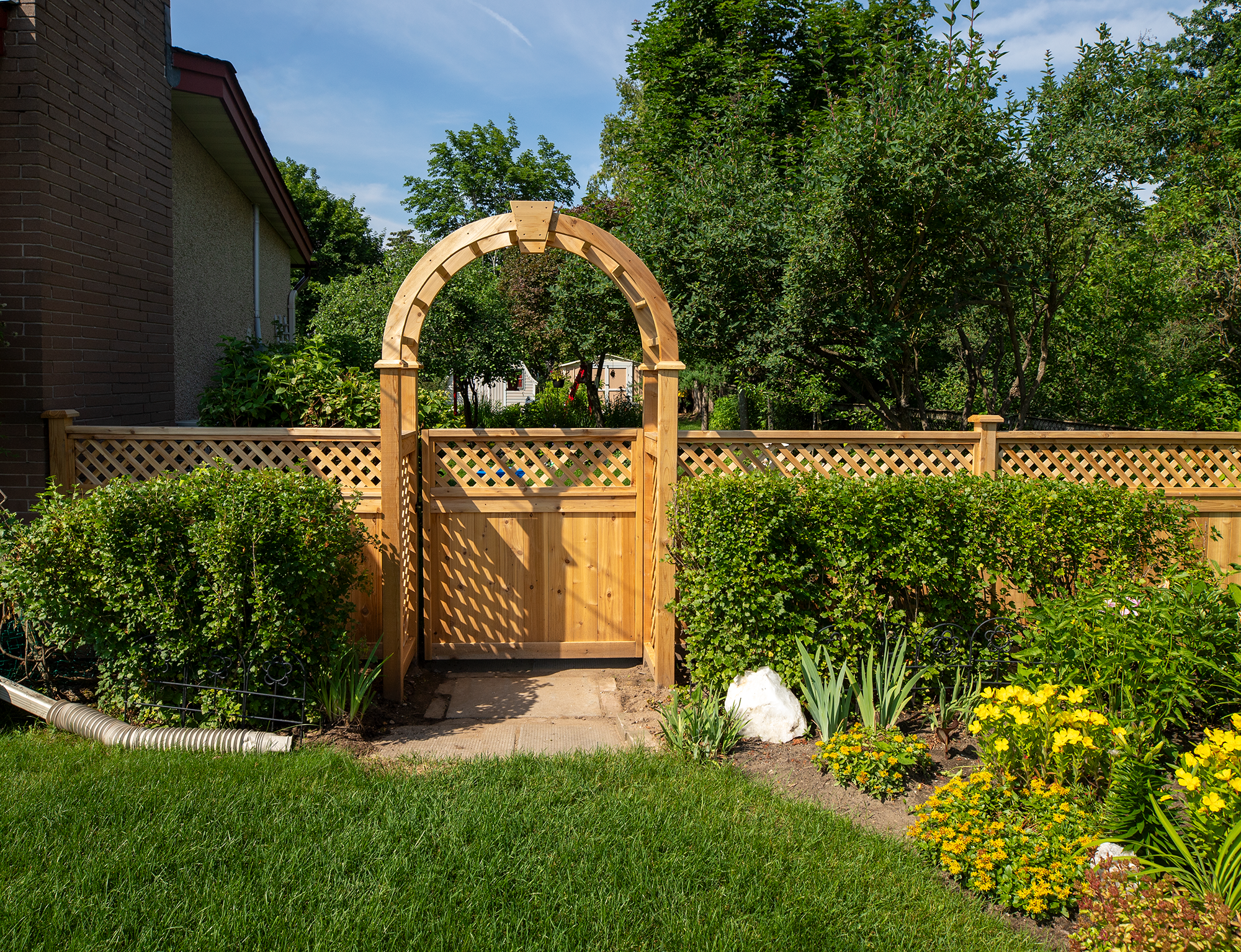
Gates are the part of a fence you interact with most often, and thoughtful planning can make a huge difference in convenience, durability, and how easily you move through your property.
When we consult with homeowners about new fence projects, gate design and placement are always part of the early conversation because they have such a big impact on daily use.
The Part of the Fence You Use Every Day
Once a fence is installed, most homeowners rarely think about it again. It provides privacy, defines property lines, and enhances the appearance of the yard, but it usually stays in the background.
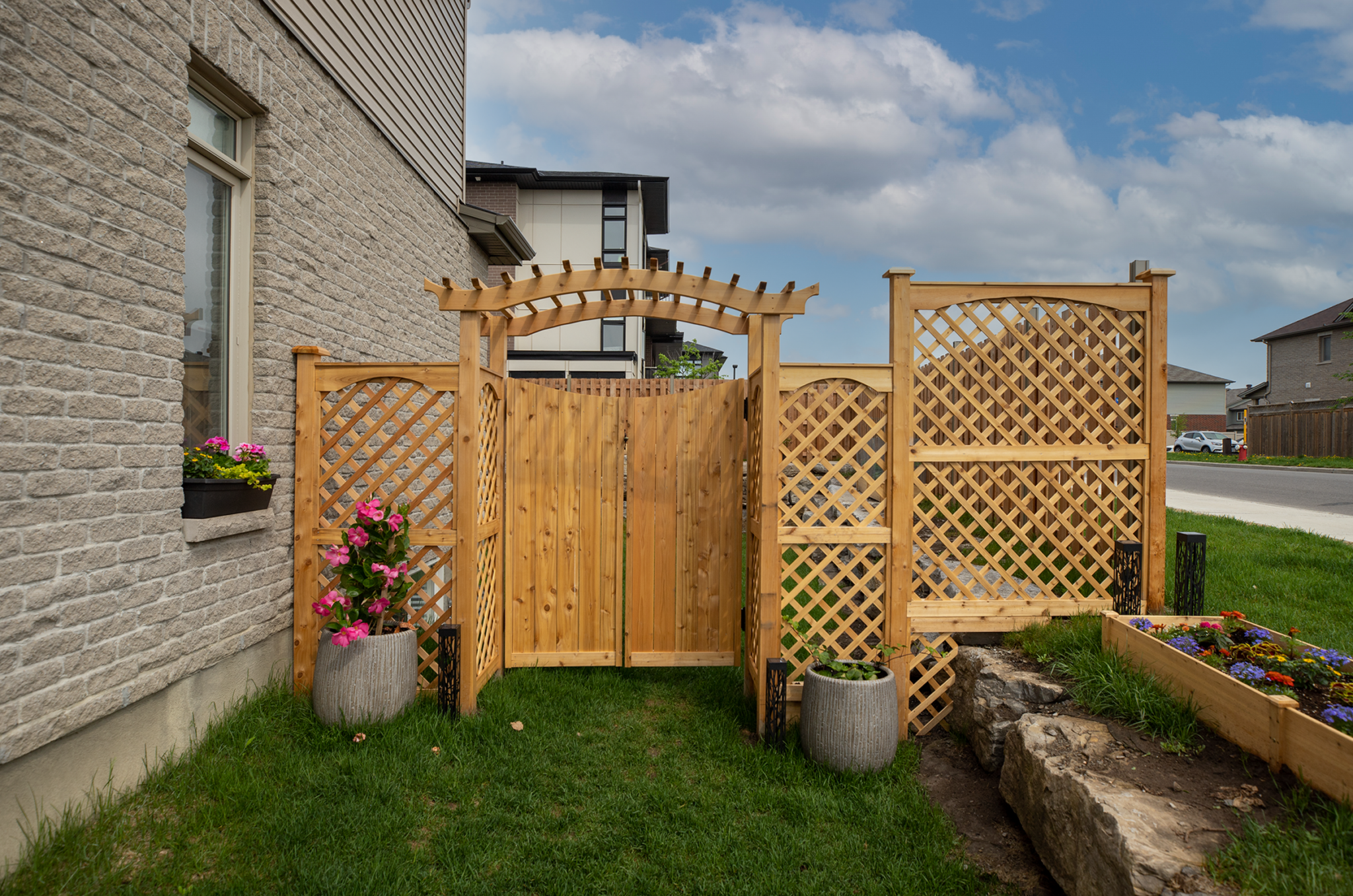
The gate, on the other hand, is something you interact with constantly. In many homes, it becomes the most active component of the entire fence system.
Homeowners often use their gate for everyday tasks such as:
- Taking out garbage or recycling.
- Moving lawn equipment into the backyard.
- Letting pets in and out of the yard.
- Accessing decks, patios, or garden areas.
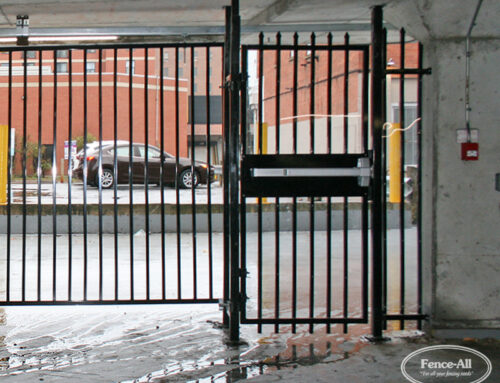
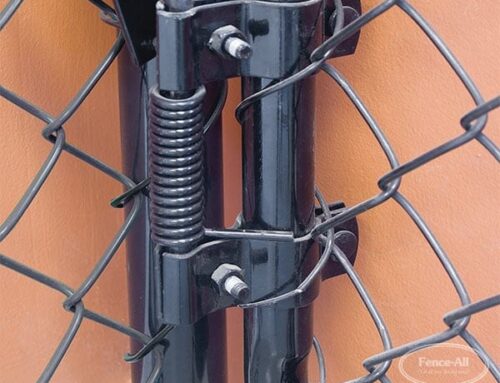
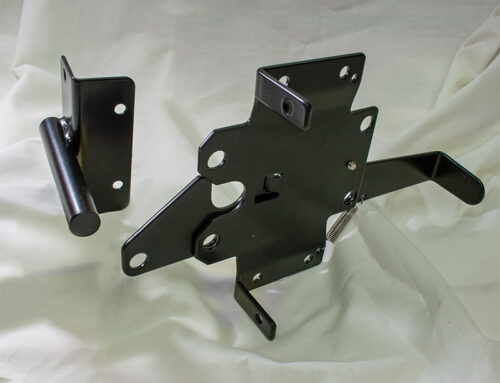
Because gates experience this level of daily use, they need to be designed and installed with durability in mind. Strong hardware, proper alignment, and quality materials ensure the gate continues to function smoothly over time.
Why Gate Placement Matters
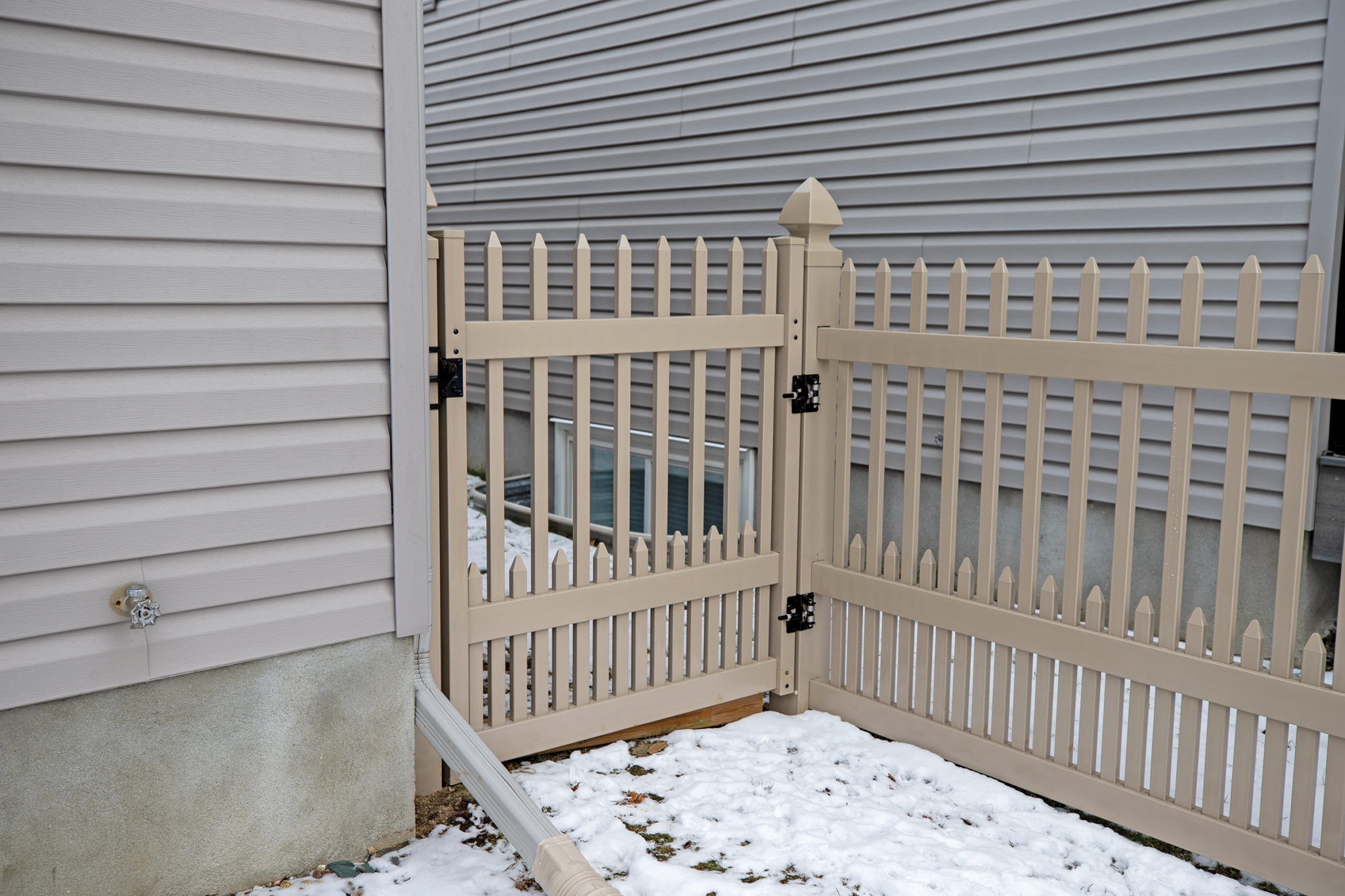
Where a gate is located can dramatically affect how convenient your yard is to use. A poorly placed gate can make simple tasks frustrating, while the right placement can make everyday movement through the property effortless.
When we help homeowners plan a fence project, we consider how the space is actually used. For example, a side yard gate may provide easy access for garbage bins and maintenance equipment, while a wider driveway gate might be necessary for vehicle access.
Common gate placement options include:
- Side yard access for garbage bins, lawn equipment, and maintenance.
- Backyard entry points connecting patios, decks, and garden spaces.
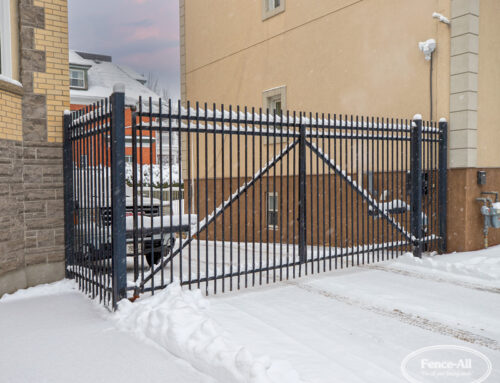
- Driveway gates that provide vehicle access and additional privacy.
By thinking about these access points early, we can ensure the finished fence layout works naturally with how homeowners move around their property.
Single Gates vs Double Gates
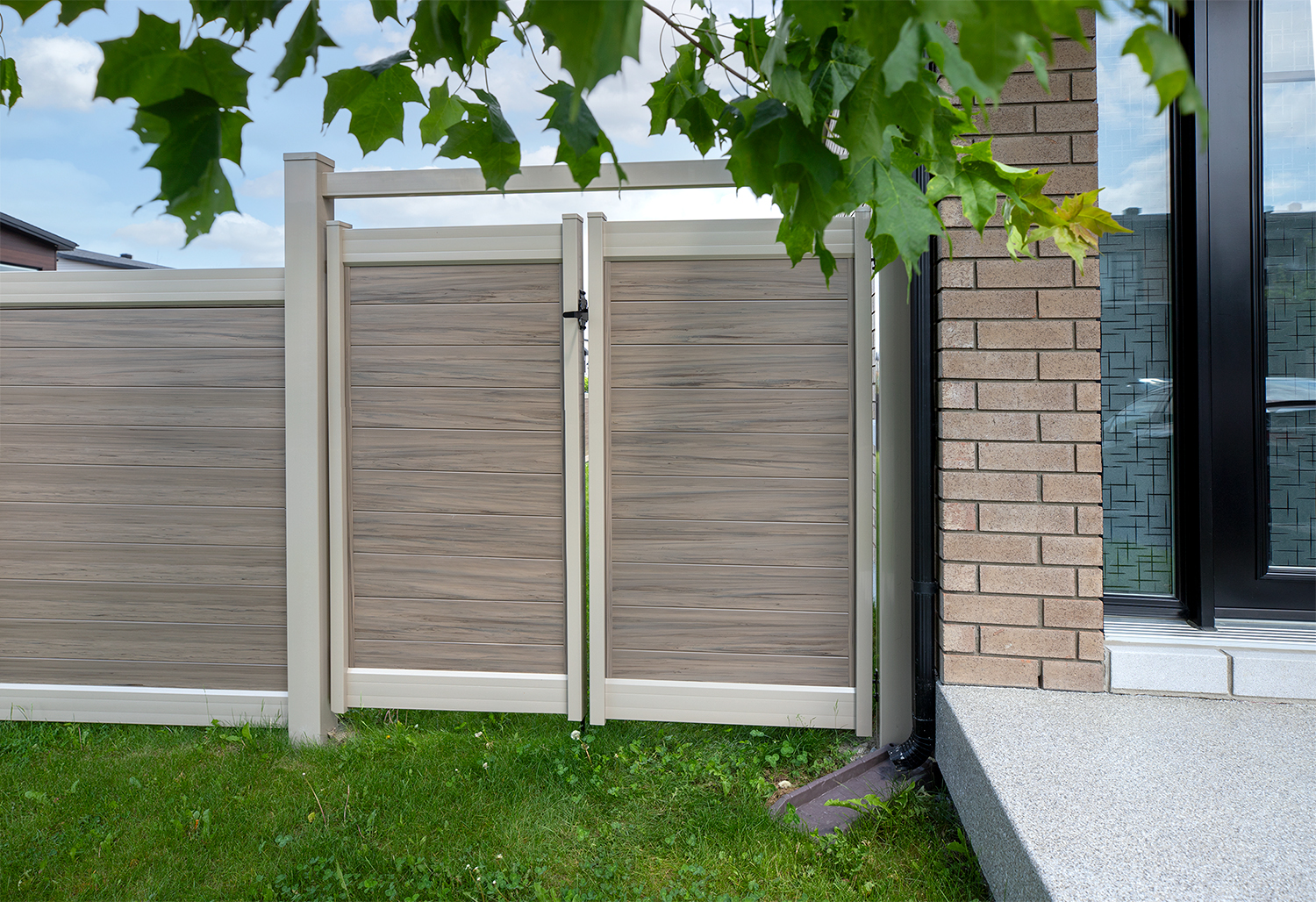
Another important consideration is the size of the gate opening. While many properties only require a standard single gate, some situations benefit from a wider double gate.
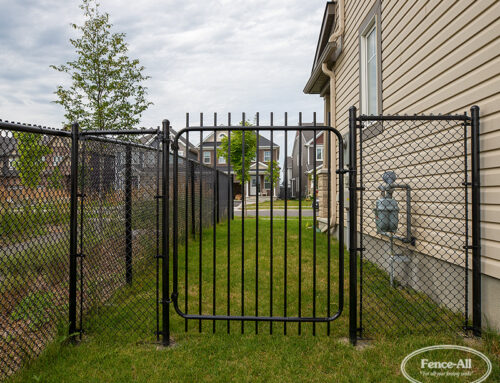
Single gates are ideal for everyday pedestrian access. They are compact, efficient, and commonly used along the side of a home or between sections of a yard.
Double gates provide a much wider opening and are useful when larger equipment or vehicles may need to enter the backyard. This can include landscaping equipment, lawn tractors, trailers, or even future renovation access.
Planning for these needs in advance can save homeowners time and frustration later if larger access becomes necessary.
Why Gate Swing Direction Is So Important
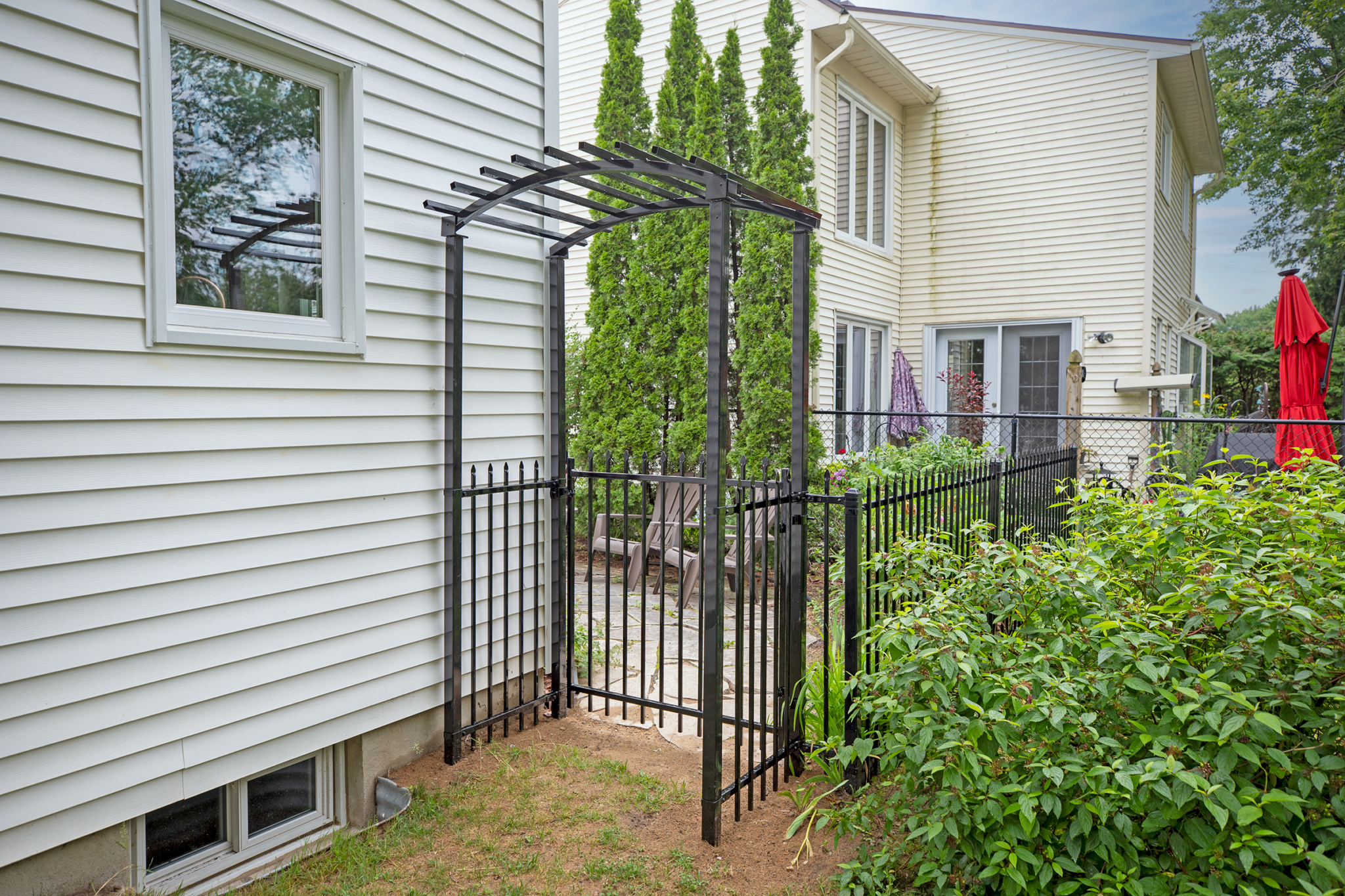
Gate swing direction is another detail that can easily be overlooked during the design stage. However, the way a gate opens can significantly affect how convenient it is to use.
A gate that swings into the wrong space may interfere with landscaping, walkways, or driveway areas. Yard slope, nearby structures, and the natural walking path through the yard all influence which direction the gate should open.
When we plan a gate installation, we carefully consider these factors to ensure the gate opens smoothly and fits naturally into the layout of the yard.
Gates Can Also Be a Design Feature
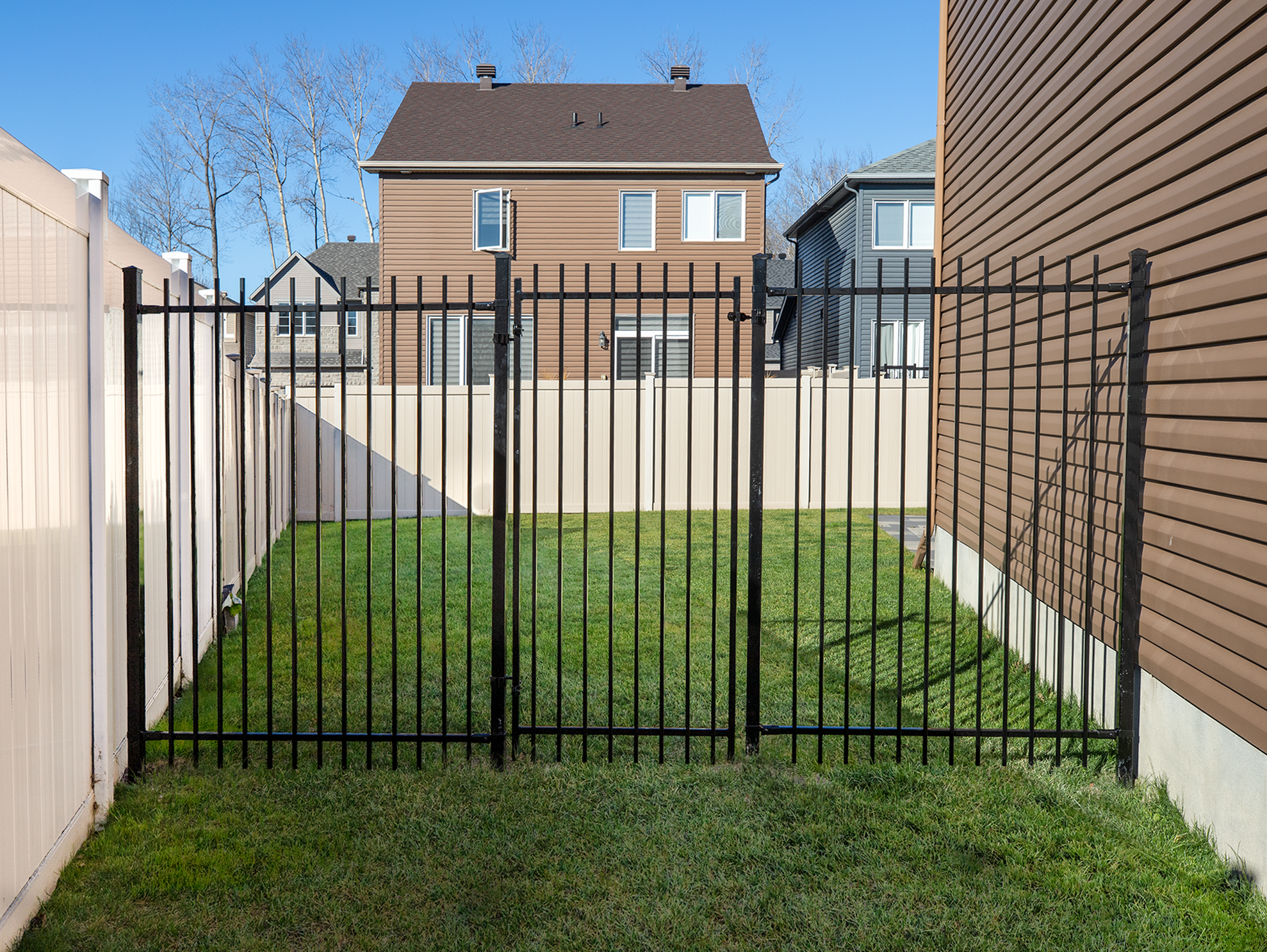
While gates are highly functional, they can also become one of the most visually interesting parts of a fence system.
Many homeowners choose to use gates as an opportunity to introduce contrasting materials or decorative elements that enhance the overall design of the property.
Some popular design approaches include:
- Decorative iron gates paired with wood fencing.
- Aluminum gates combined with vinyl fencing for a modern look.
- Gates that complement nearby deck or railing materials.
Because gates are often located at key entry points, thoughtful design can turn them into a focal feature rather than simply a functional access point.
Why Gate Planning Happens During Your Consultation
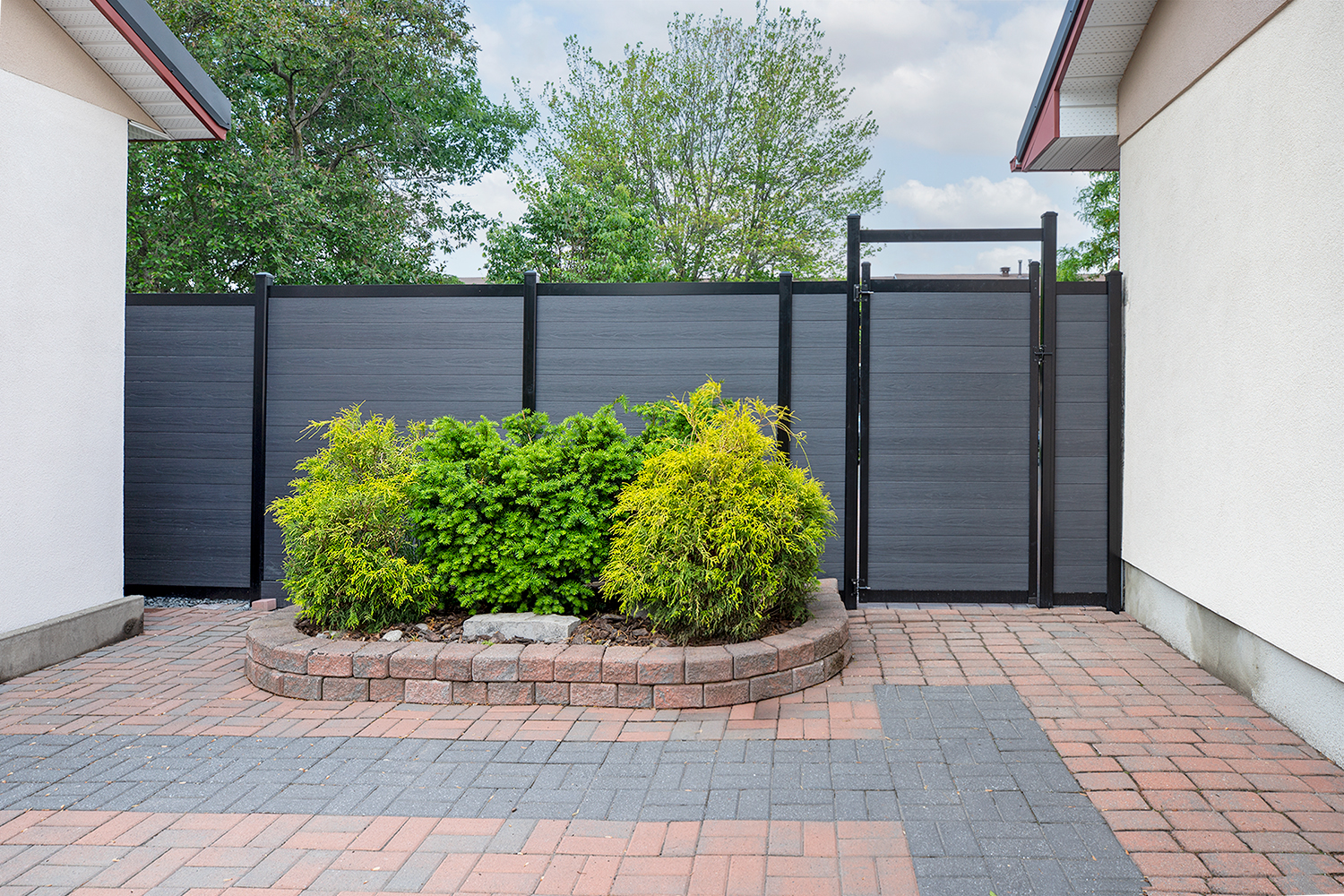
Every property is different, and the best gate design depends on how homeowners plan to use their outdoor space.
That’s why we approach fence and gate projects through a consultation process rather than offering one-size-fits-all solutions. During an estimate, we help homeowners think through access needs, traffic flow, material options, and long-term durability.
This planning stage allows us to design a fence and gate system that works not only visually, but practically for everyday use.
More Than Just Fences
A fence provides structure and privacy, but the gate is where everyday interaction happens.
When properly designed and installed, a gate improves how a yard functions while adding character to the property. It becomes an important part of the outdoor space rather than just an entry point.
At Fence-All, we believe great fencing projects start with thoughtful planning. Book your free, no-obligation estimate today and open the gate to backyard possibilities.